From high tech to high kicks
Domingos Begalli, physical sciences computer resource manager, brings the Brazilian martial art capoeira to campus.
September 14, 2009
Domingos Begalli, physical sciences computer resource manager, brings the Brazilian martial art capoeira to campus.

As much as we know about the human body, some of the more mundane, daily functions are least understood.
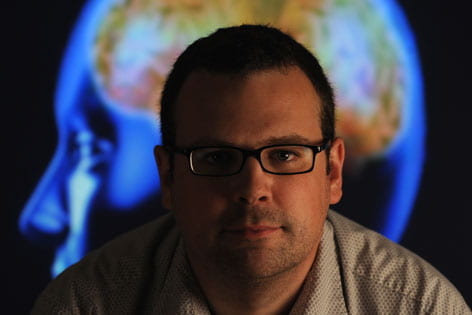
Using advanced brain imaging techniques, UCI scientists have discovered that a person’s brain activity while remembering an event is very similar to when it was first experienced, even if specifics can’t be recalled.
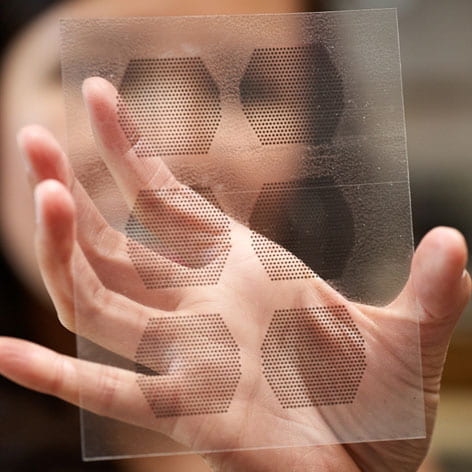
Overcoming a research snag was child’s play for assistant biomedical engineering professor Michelle Khine – and it earned her international recognition.

Gillian Hayes, informatics assistant professor, designs computerized devices that help teachers work with children who have autism.

UCI research on infectious diseases, such as dengue fever, HIV and meliodosis, could benefit millions worldwide.
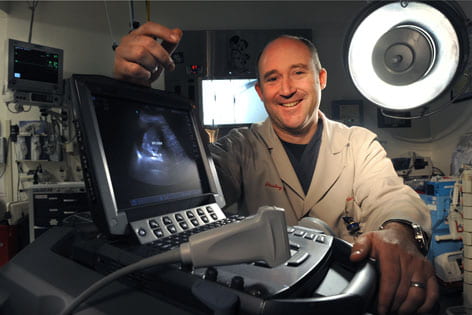
Portable ultrasound scanners in the ER can save lives by expediting diagnosis.
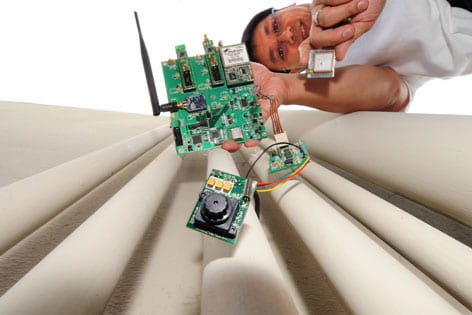
UC Irvine engineers plan to outfit the local water system with sensors that will alert officials when and where pipes crack or break, hastening repair – thanks to nearly $5.7 million over three years from the National Institute of Standards & Technology and several local water groups.

With $20 million over five years from the National Science Foundation, UC Irvine scientists hope to become the first ever to make real-time videos of single molecules in action – a feat that has proved elusive because size and time scales are so small.
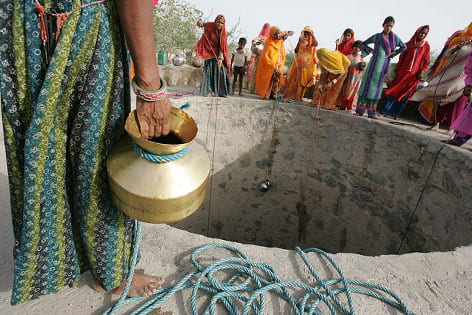
Using satellite data, UC Irvine and NASA hydrologists have found that groundwater beneath northern India has been receding by as much as 1 foot per year over the past decade – and they believe human consumption is almost entirely to blame.