Cervical stem cells

The first human embryonic stem cell treatment approved by the FDA for human testing has been shown to restore limb function in rats with neck spinal cord injuries – a finding that could expand the clinical trial to include people with cervical damage.

Radiation stem cells

Human embryonic stem cells could help people with learning and memory deficits after radiation treatment for brain tumors, suggests a new UC Irvine study.

Robot brain

A robot powered by a computerized model of a rodent brain will help researchers from UC Irvine and UC San Diego understand how people recognize and adapt to change.

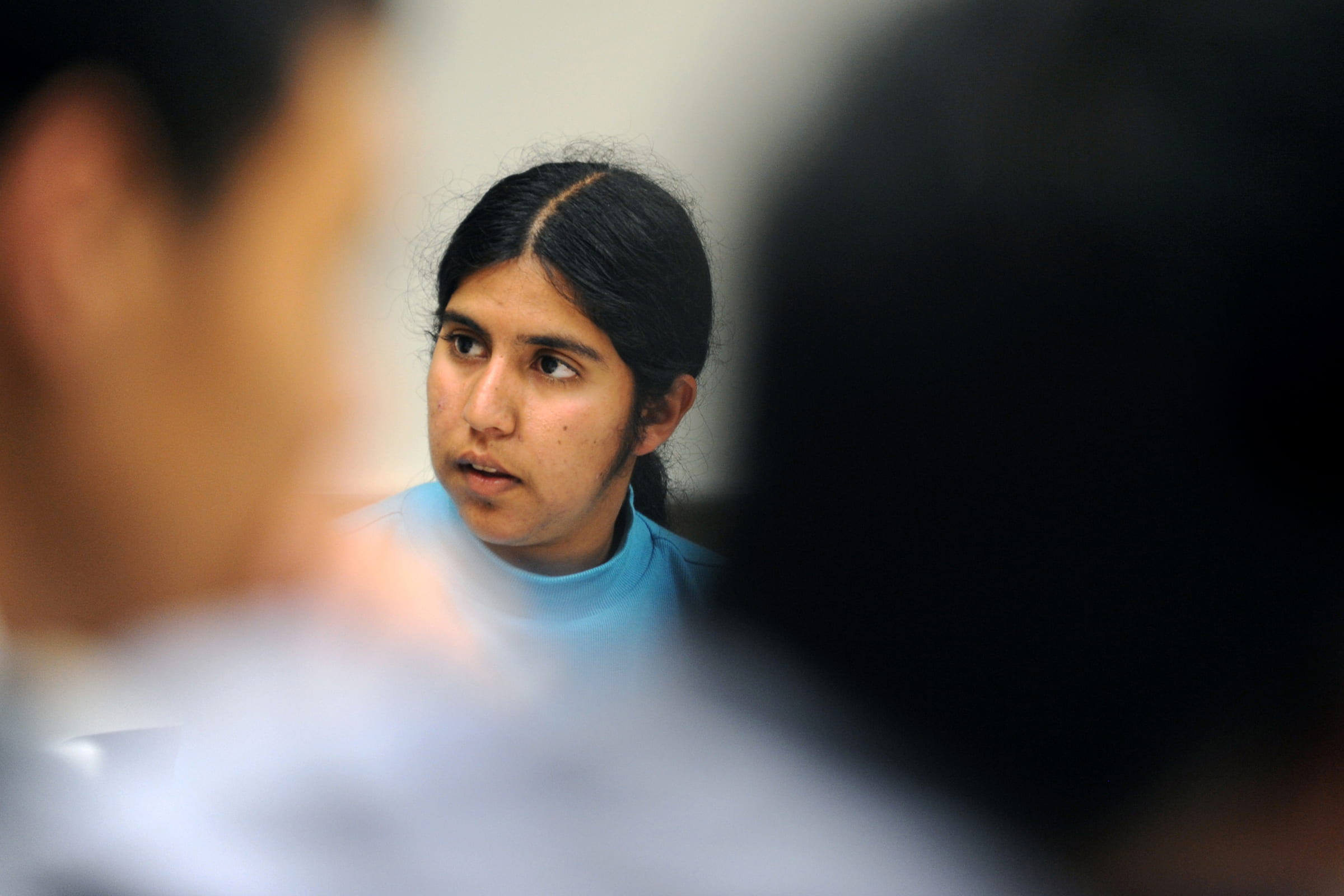
Sarah Bana

Leading by example

Sarah Bana always knew what she wanted to be when she grew up: an FBI agent. “I’d read a lot of Nancy Drew and Hardy Boys mysteries, and I wanted to save the world,” she says. She still does, although she’s going about it in a different way. A fourth-year quantitative economics major at UC […]

Kei Akagi

Master of improvisation

Kei Akagi was 24 and pursuing a doctorate in philosophy at UC Santa Barbara when he decided music was his true calling. It was 2 a.m., he’d just finished performing with his jazz band, and he suddenly realized he hadn’t done any work on a graduate presentation due the next day. “I sat down in […]

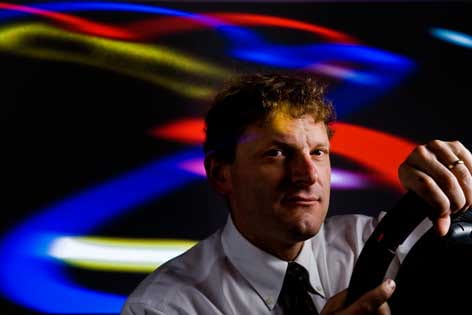
Bad driving may have genetic basis, UCI study finds

Bad drivers may in part have their genes to blame, suggests a new study by UC Irvine neuroscientists. People with…

BDNF driving

Bad drivers may in part have their genes to blame, suggests a new study by UC Irvine neuroscientists.

Sherwynn Umali

The well-rounded student

Sherynn Umali ’03 directs campus organizations, and she says clubs are an essential part of a well-rounded education.

Making sense of healthcare reform

UCI experts agree that increasing access while decreasing costs is key but question whether healthcare reform can be achieved.

UCI neurologist Dr. Steven Cramer

Bad driving may have genetic basis, UCI study finds

Bad drivers may in part have their genes to blame, suggests a new study by UC Irvine neuroscientists.