Proteins secreted by beneficial gut microbes shown to inhibit salmonella, invasive E. coli
UCI study finds that microcins help block illness-causing bacteria in inflamed intestines

UCI study finds that microcins help block illness-causing bacteria in inflamed intestines
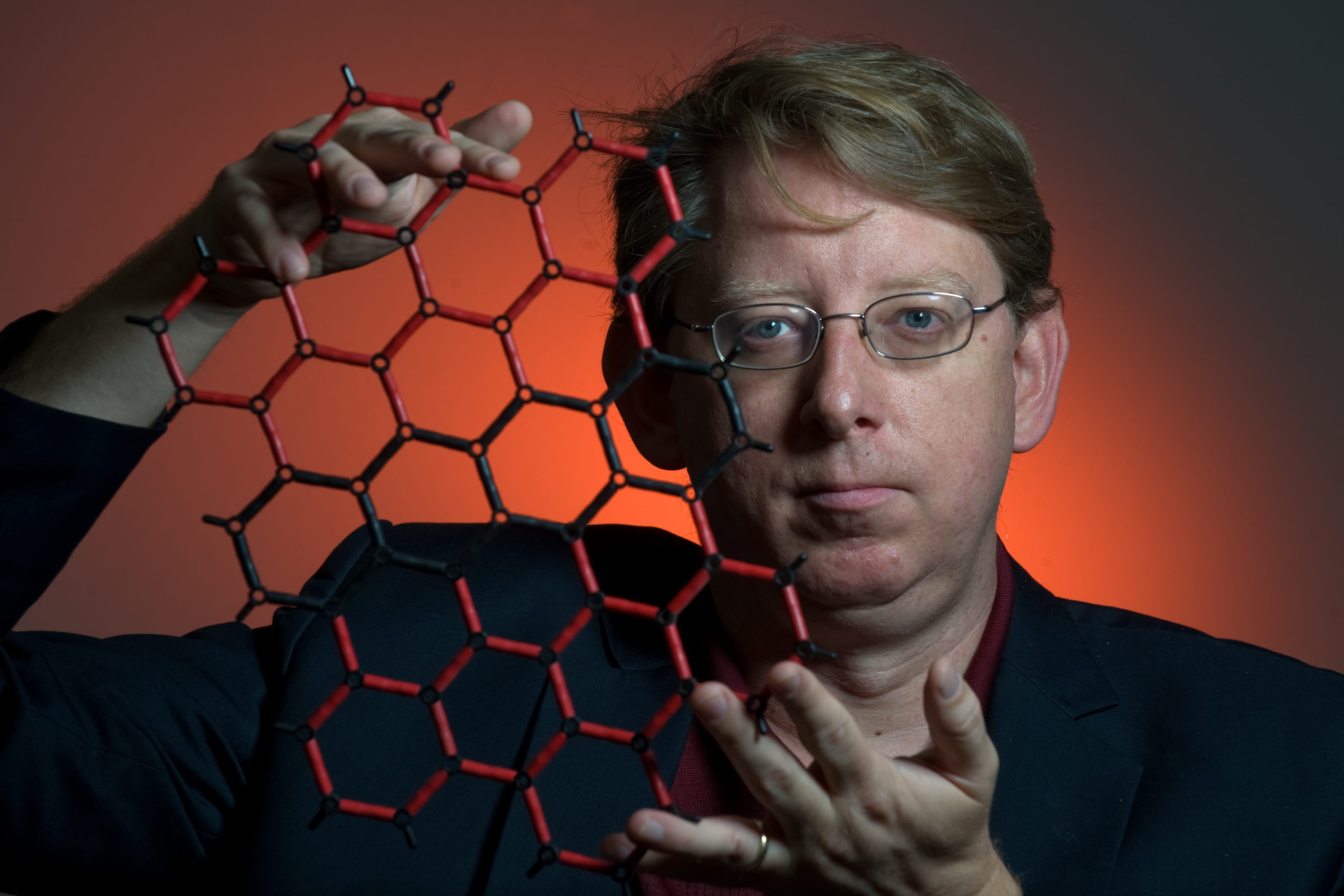
Use of graphene sensor also reveals 2 electrochemical gradients in energy production

Research to focus on effects of maternal experiences, environmental factors
UCI group develops test to measure changes in emotional recall over time

UCI study of valerian is first to detail gender-specific species responses to global warming
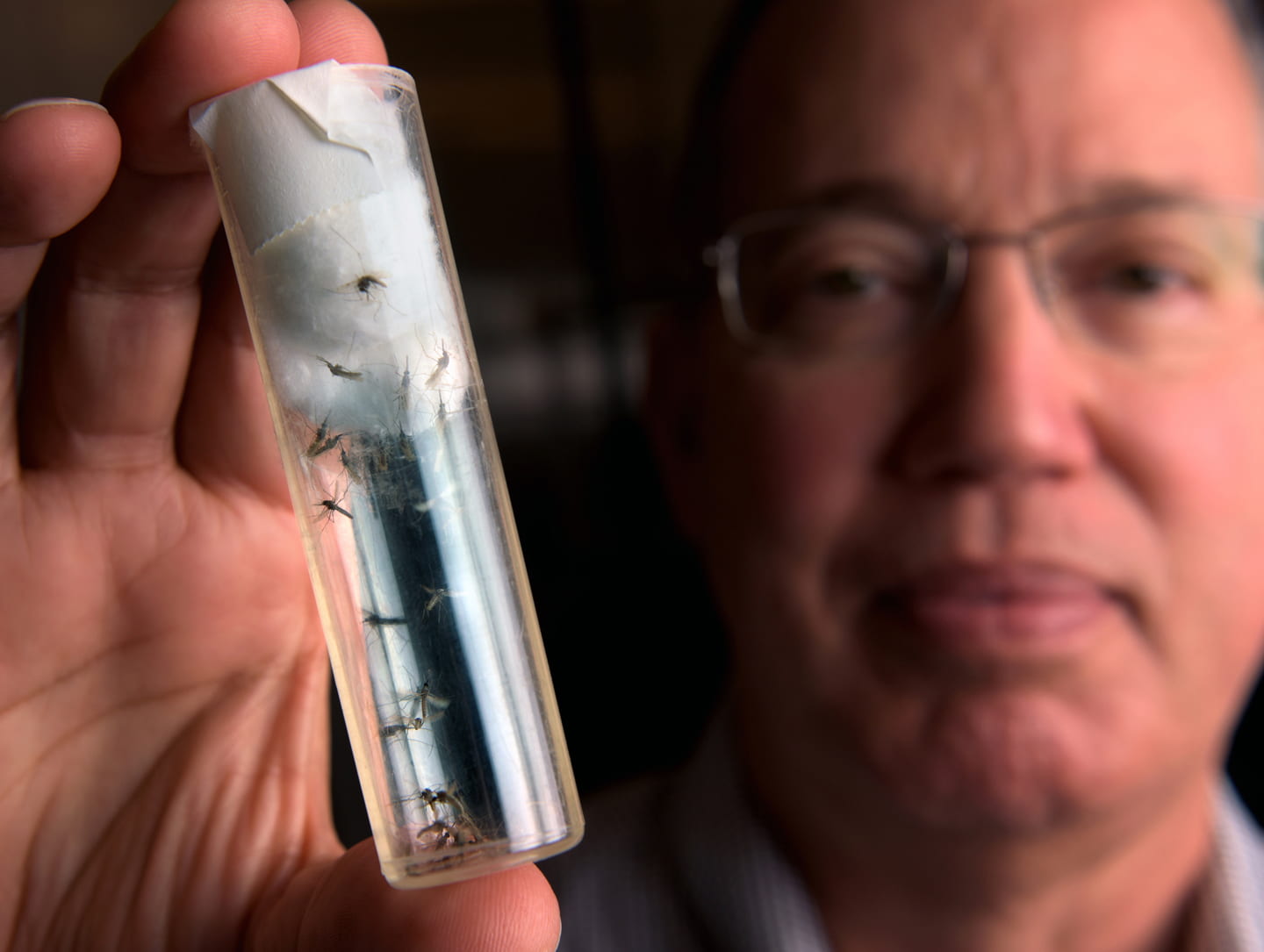
Two of UCI’s most high-profile researchers are featured at this year’s Aspen Ideas Festival, at which leaders from around the globe and across many disciplines engage in deep and inquisitive discussion of current innovations and issues. On Friday, June 24, UCI vector biologist Anthony James participated in a panel on recent advances in gene editing that have allowed […]
UCI biologist Katrine Whiteson joined other U.S. scientists Friday, May 13, at an event hosted by the White House Office of Science & Technology Policy to announce a new National Microbiome Initiative that will foster integrated study of microbiomes across different ecosystems. Microbiomes are the communities of microorganisms that live on or in people, plants, soil, oceans and the […]
Using cutting-edge imaging technology, UCI biologists have determined that uncontrolled fluctuations (known as “noise”) in the concentration of the vitamin A derivative retinoic acid can lead to disruptions in brain organization during development. Identifying how a cell responds to a signal made by another cell, despite the level of noise present, may improve our understanding […]
A study appearing April 14 in the journal Neuron suggests there may be a new way to change the damaging course of Huntington disease. University of California, Irvine neurobiologists Leslie Thompson and Joseph Ochaba and their colleagues from UCI and from Children’s Hospital of Philadelphia have shown that reducing the aberrant accumulation of a particular form of the […]
In 20 years, stem cells, genetics and robotics will get patients back on their feet after a blood clot in the brain